
GermanAmericanPioneers.org
Preserving the history of German Pioneers in Silicon Valley, USA.
| HOME | ARTICLES | LINKS/RESOURCES | CONTACT US |
Theodore Dreiser, Naturalist
|
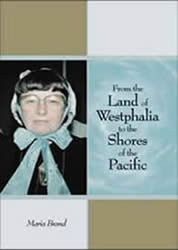





The web site GermanAmericanPioneers.org has been developed by Maria and Walter Brand. Maria has gathered an extensive history of the activities of German American Pioneers in the region now known as Silicon Valley (the City of San Jose, CA and the surrounding Santa Clara Valley). My husband of 45 years passed away on Oct. 21, 2005. He suffered a cardiac arrest. Thought of the Month: If you want to be happy, be! Immer, wenn du meinst, es geht nicht mehr, kommt von irgendwo ein Lichtlein her.
When you think you have reached the end of the line, a light will appear from somewhere to show the way Newsletter for Feb. 2011 Here we go, 2011. It does not seem possible, but facts are facts and we have to face up to them as they occur. I am approaching my 75th birthday; the years are catching up with me. Over the years I often visited elderly people in “Assistant Living Homes” etc. During the course of conversation, I always heard the same sentence:” I never thought, I would find myself in this situation.” Well, I can now say, I have arrived. My legs refuse to do the job they were meant to do. I have had a couple of operations over the last 3 years, which were successful in a greater sense, but at the expense of loosing my balance and the feeling sensation from my waist down. At most, I can walk with a cane ½ street block then I look desperately to find something to hold on to or sit down on. Why am I telling you this? I think I will keep the website but stop the “Monthly Newsletter”. I will try to add new material to the Website every now and then. It can be historical, songs, poems or whatever comes my way and seems to be of interest to my visitors. This year started out good. In January I had again more than 14,000 hits. As long as there are people seeking out my website I am willing to feed your appetite, I just will do less of it. I hope you understand. I wish you all the best for the future. Keep on looking, I might still surprise you. Thank you. Maria Brand Category:American writers of German descent |
|
From Wikipedia, the free encyclopedia Jump to: navigation, search This category lists American writers of German ancestry or national origin. Pages in category "American writers of German descent"The following 99 pages are in this category, out of 99 total. This list may not reflect recent changes (learn more). B Natalie Clifford BarneyC F H. L. FischerH cont. K Gus Kahn
N Charles Nordhoff (journalist)
|